






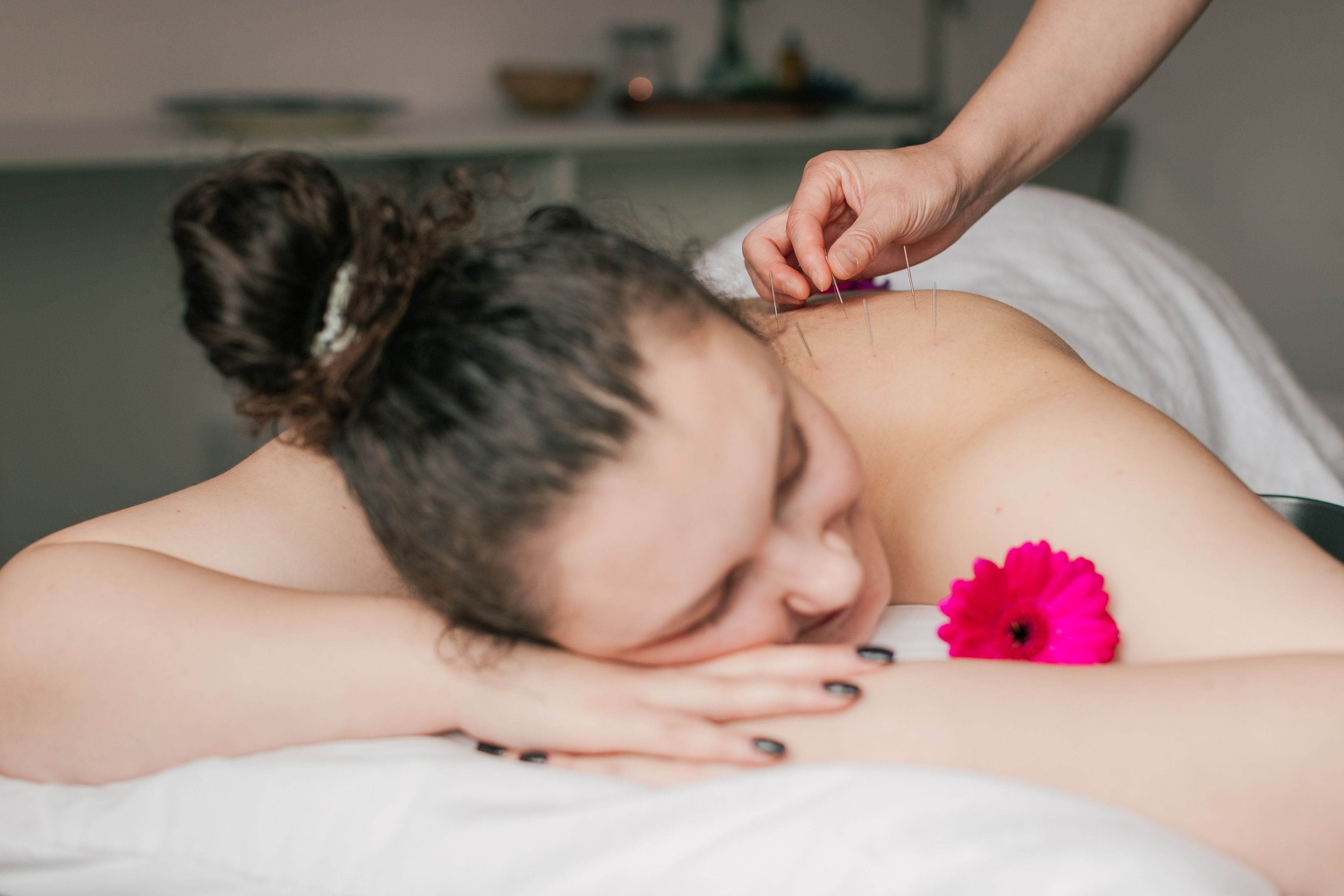
Acupuncture · Chiswick W4, West London
Acupuncture in London, at Our Chiswick Clinic
Acupuncture uses fine needles at precise points to calm pain signalling, and NICE recognises it for chronic primary pain and for preventing migraine. At Omnia Lifestyle in Chiswick W4, near Turnham Green, three doctors of Chinese medicine treat pain, migraine, stress, sleep and fertility, from £80.
£8060-minute session, pay after
Doctor-ledTCM doctors
Same weekAppointments usually available
4.9 ★Google rating
Health insurance
Recognised by Aviva, AXA Health, Vitality, WPA, Simplyhealth. Check your policy and bring your authorisation code; we provide itemised receipts for every claim.



At Omnia Lifestyle
Doctor-led acupuncture in Chiswick and London
Acupuncture in London, at our Traditional Chinese Medicine clinic in Chiswick W4, helps with back and neck pain, sciatica, migraine and tension headache, stress, anxiety, poor sleep, and digestive and hormonal imbalance. We also offer fertility acupuncture in London, naturally or alongside IVF.
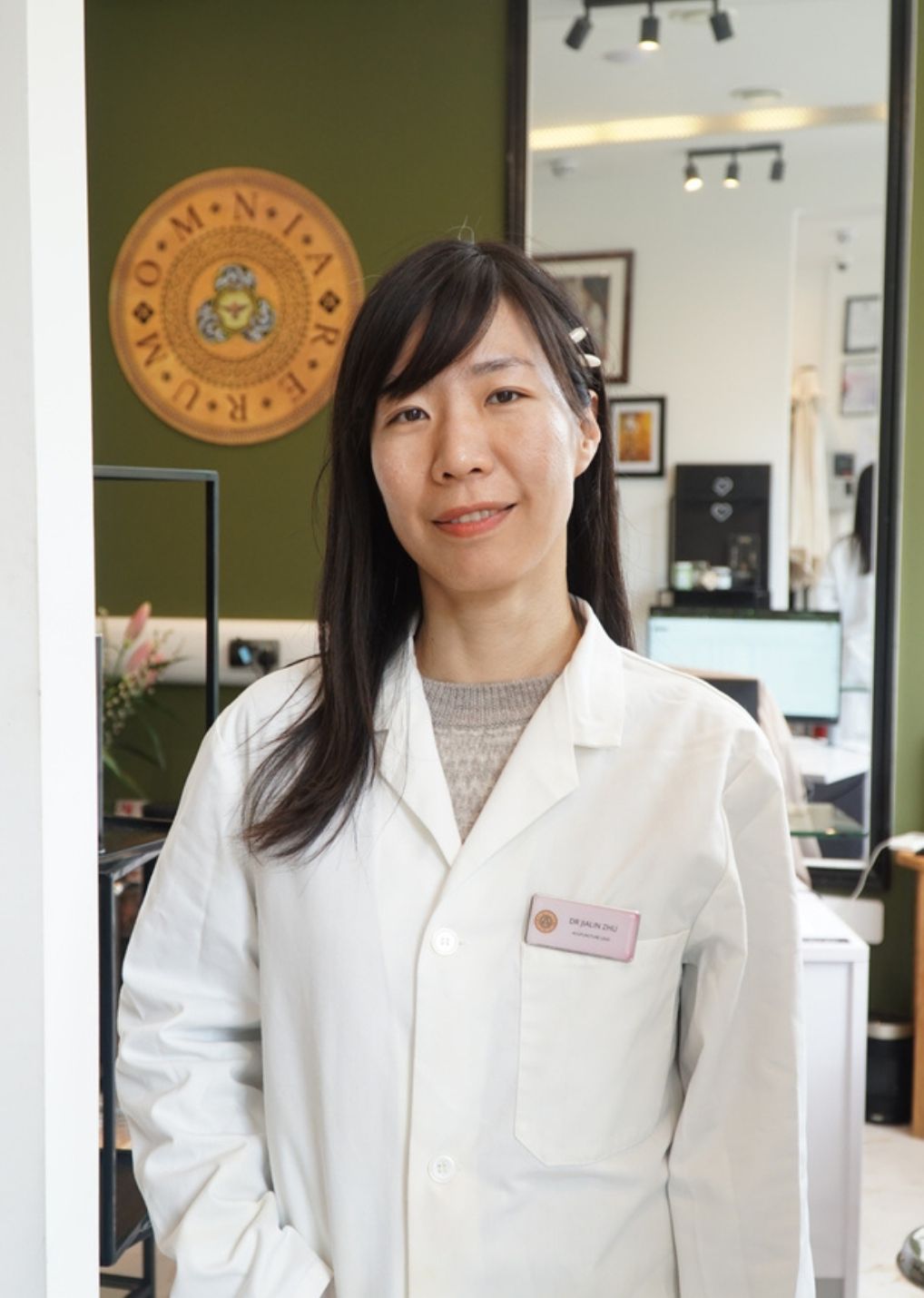
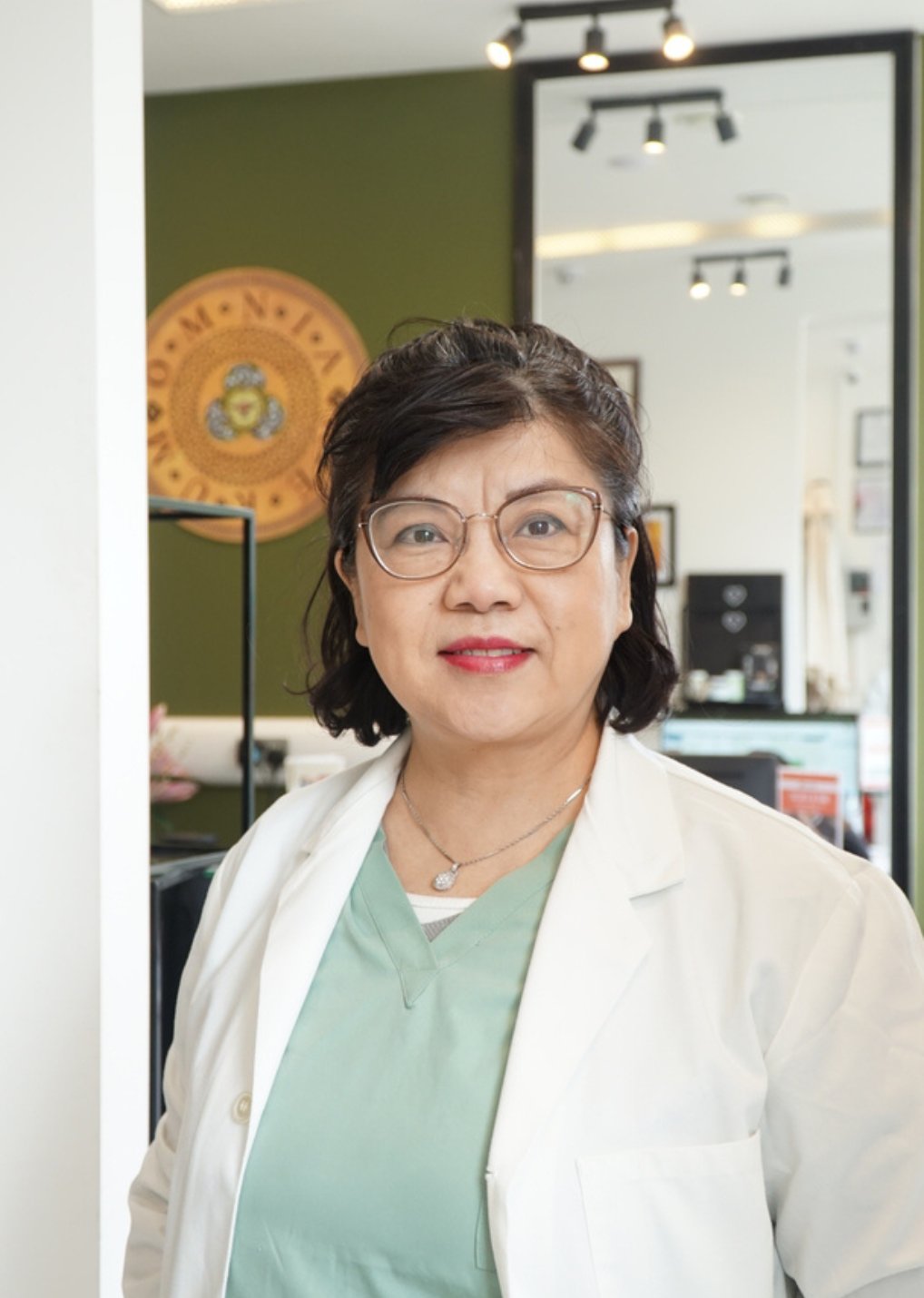
Every session is delivered by one of our TCM doctors, Dr Jialin Zhu, Dr Youzhong Wu or Dr Shu Fen Zhang, and is planned around your diagnosis rather than a fixed routine. A TCM consultation is £50 and a 60-minute acupuncture session is £80. Evening appointments are available, and you can book online whenever you are ready.
Why Omnia Lifestyle
4.9 ★Google rating from verified patient reviews
5000+Patients supported through personalised, results-driven care
150+ yearsCombined clinical experience across a multidisciplinary team
RegisteredWith leading UK professional bodies, with internationally recognised specialists
Why people come
Why patients across London choose acupuncture at Omnia
- Relief from long-term pain. Neck, shoulder, back and joint pain. NICE includes acupuncture as a treatment option for chronic primary pain.
- Fewer migraines. NICE recognises acupuncture for preventing migraine and tension-type headache.
- Calmer nervous system. Many patients sleep better and feel less anxious, often from the first session.
- Support through fertility treatment. Used to ease stress and support wellbeing before and during IVF cycles. See our fertility acupuncture service.
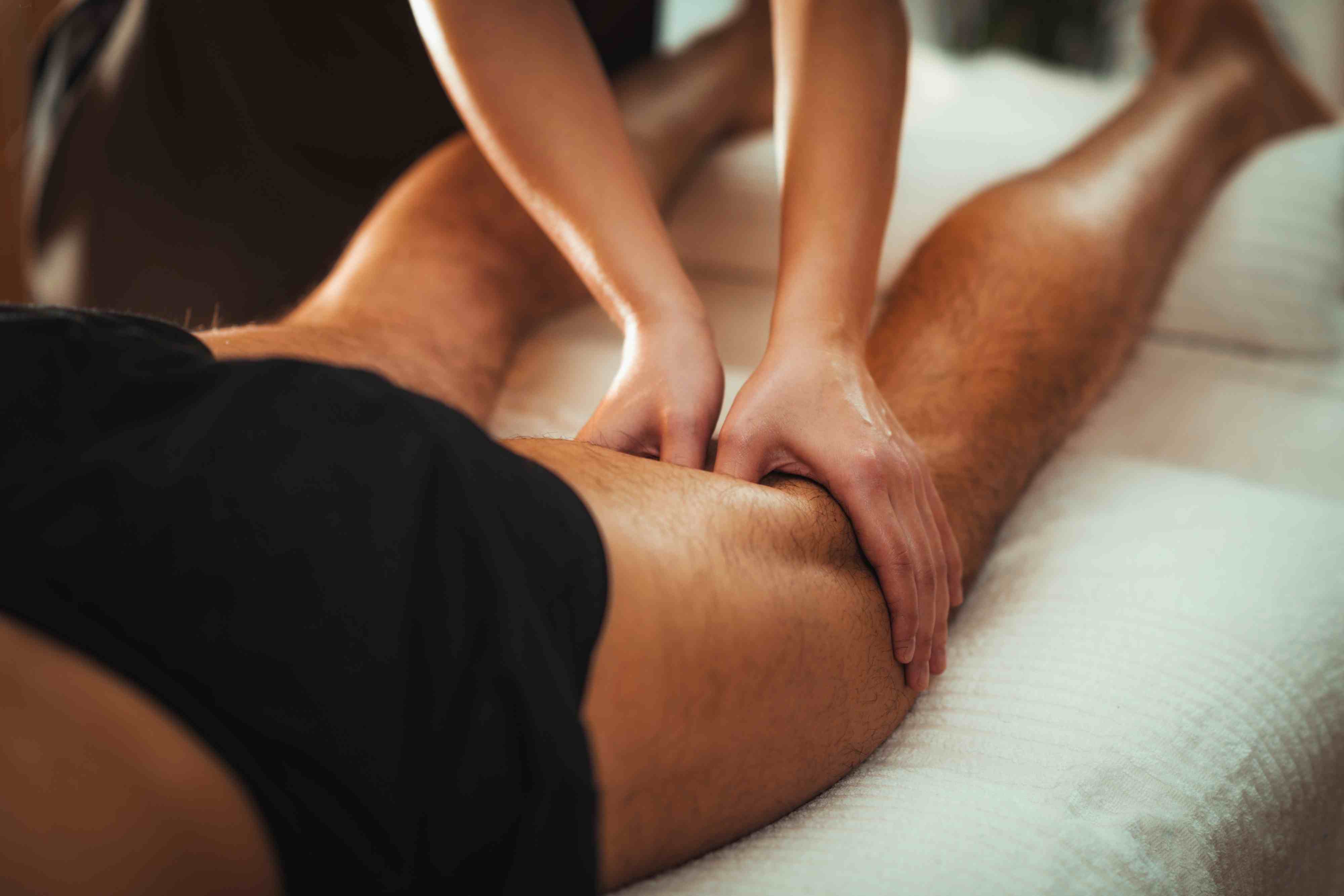
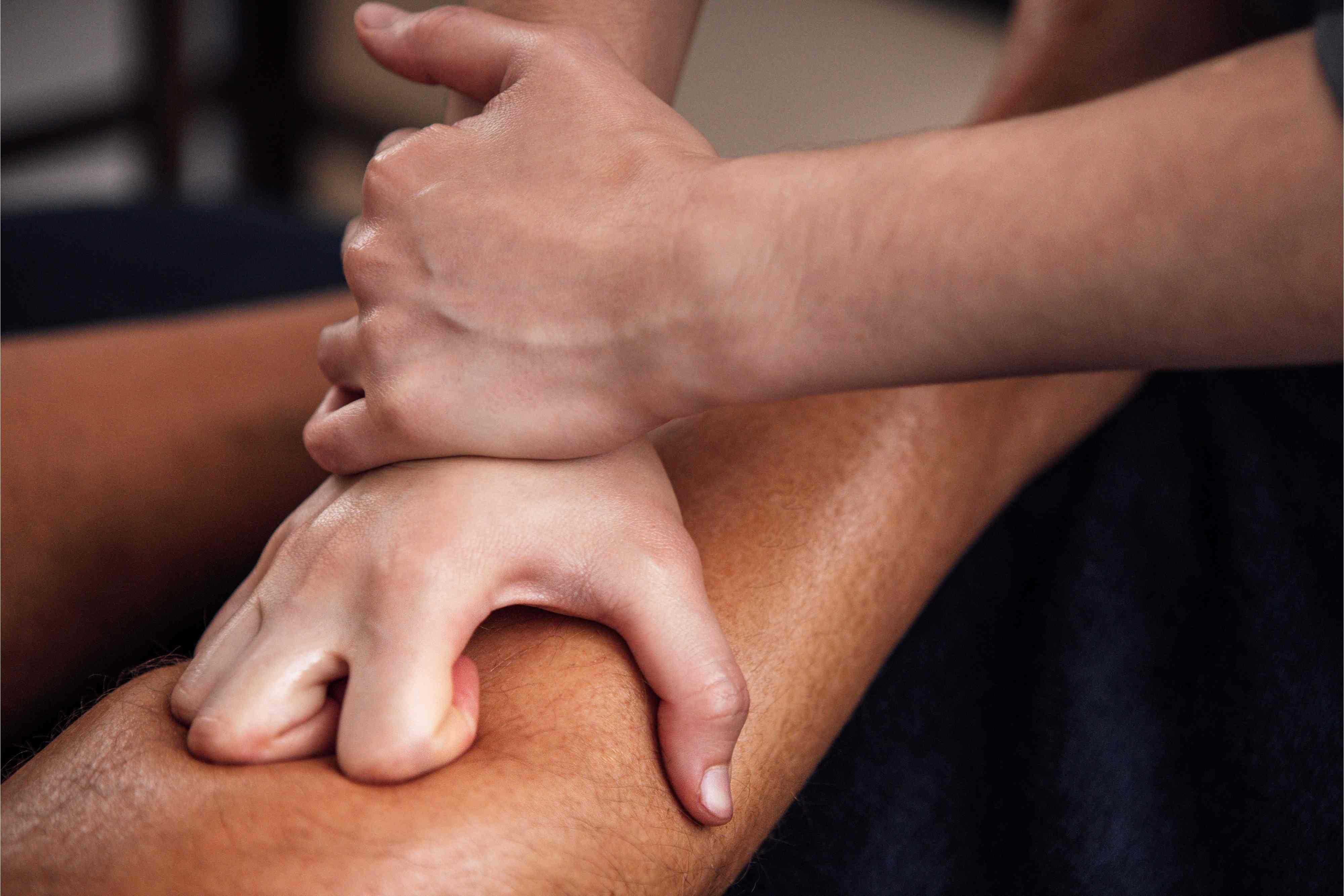
- Cupping and Tui Na where useful. Added to your plan to release tight muscle and improve blood flow.
- Insurance receipts. Itemised receipts for Aviva, AXA Health, Vitality, WPA and Simplyhealth with every session.
The mechanism
How acupuncture works
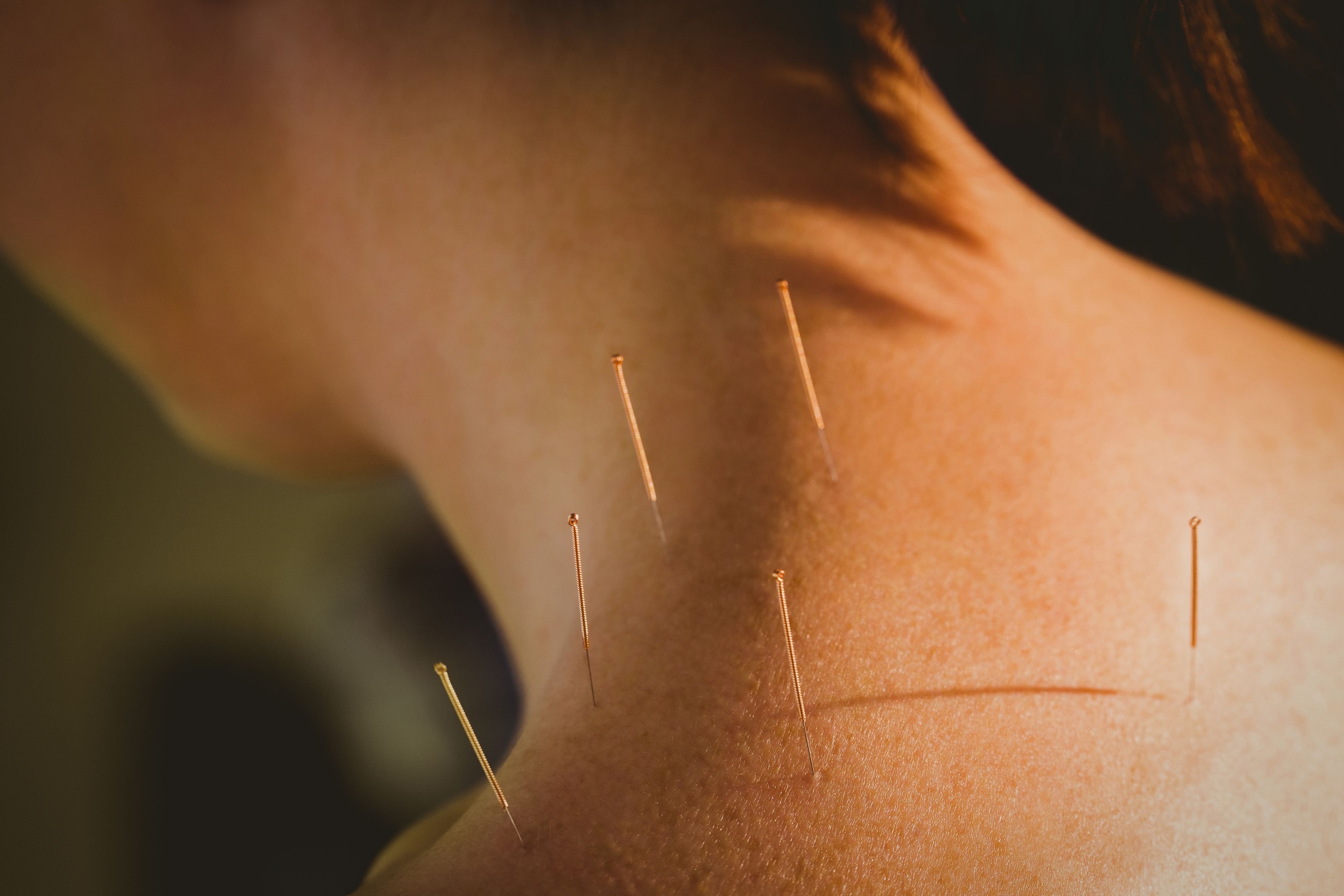
Needling specific points stimulates sensory nerves in skin and muscle. This is thought to trigger the release of endorphins and serotonin, dampen pain signalling in the spinal cord and brain, and relax muscle that has been guarding an injury. Local blood flow increases, which is why tight, painful tissue often softens on the table.
This is why the strongest evidence for acupuncture sits in pain, headache and nervous system conditions. Your practitioner selects points for your presentation, combining the Traditional Chinese Medicine diagnosis of pulse, tongue and history with what the examination shows. Electro-acupuncture adds a gentle current for stubborn pain; cupping and Tui Na work the surrounding muscle.
Want more detail? Read how dry needling and acupuncture differ, what cupping therapy involves, or what the evidence says about facial acupuncture. You can also read about Tui Na massage and Chinese herbal medicine.
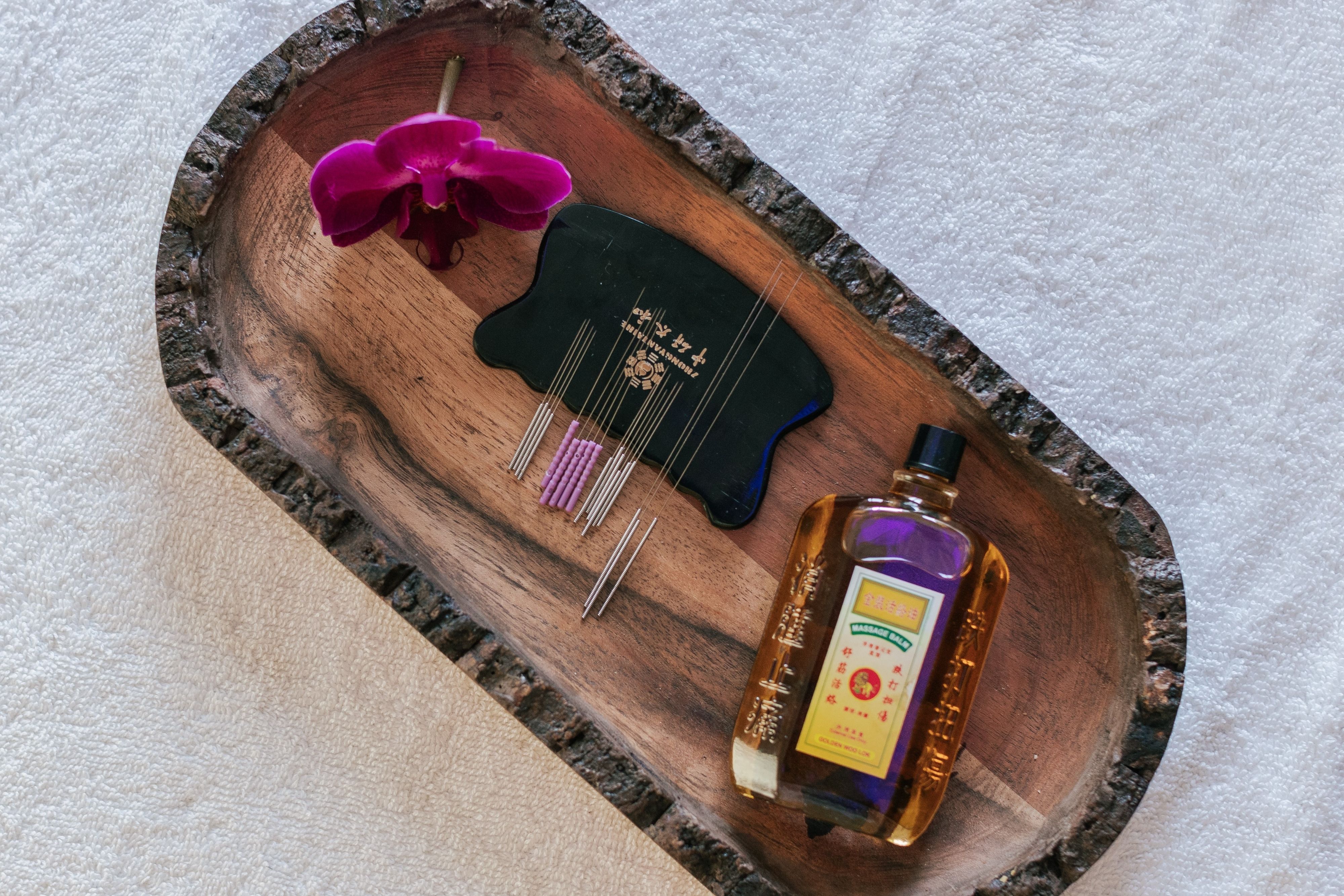
Go deeper into acupuncture
Read why anatomists are taking the meridian map seriously, or see how acupuncture supports fertility and IVF.
The research
The space between was never empty
In 2018 anatomists found a fluid network running through the whole body, along routes acupuncturists mapped two thousand years ago. Twelve illustrated scenes.
Read the articleFertility
Fertility acupuncture in London
Support before and during IVF cycles, naturally or alongside treatment, from our doctor-led TCM team in Chiswick.
Fertility acupunctureWho it helps
Is acupuncture right for you?
- Pain that keeps coming back. Back pain, neck pain, shoulder and knee pain, sciatica and slipped discs, tennis elbow, carpal tunnel and arthritis flares. Read our honest guide to acupuncture for back pain.
- Migraine and tension headache. Fewer attacks and less reliance on painkillers, with NICE-recognised evidence for prevention. See acupuncture for migraines and migraine support in Chiswick.
- Stress, anxiety and poor sleep. When your nervous system will not switch off, acupuncture helps it settle. Read about acupuncture for insomnia.
- Fertility and women's health. Support through IVF cycles, irregular or painful periods, PCOS and menopause symptoms, with dedicated fertility acupuncture.
- Digestive and hormonal imbalance. IBS, bloating and fatigue that blood tests do not explain.
- Anyone who wants a non-drug option. Safe alongside medication, physiotherapy and other treatment, and used across the NHS for pain. See acupuncture on the NHS.
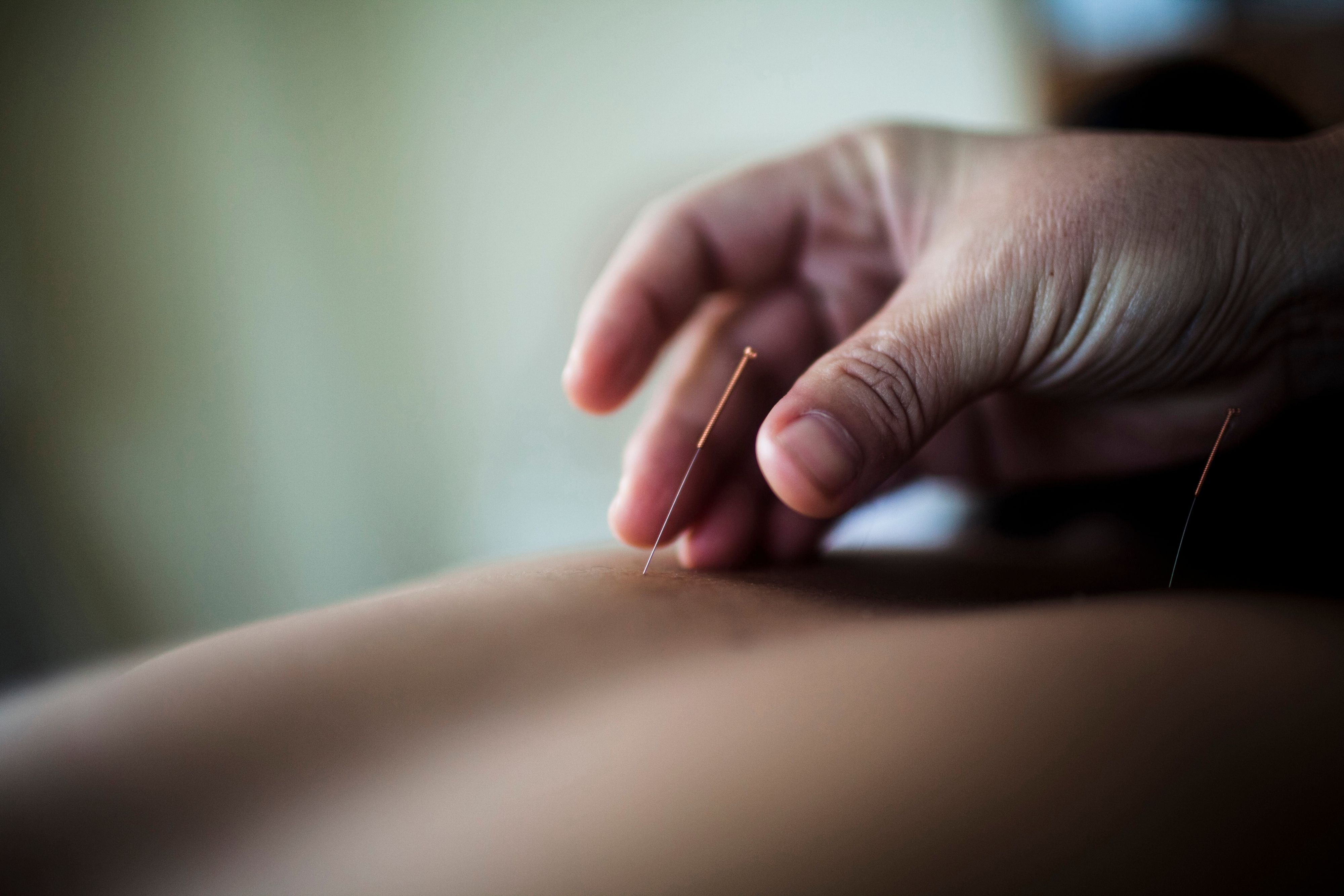
What to expect
What to expect at your first acupuncture session
Your first appointment begins with a proper consultation: history, symptoms, sleep, digestion and goals, often with pulse and tongue diagnosis from the TCM tradition. Your practitioner explains what they have found, agrees a plan with you and tells you honestly how many sessions your condition is likely to need.
The needles are about the width of a hair, nothing like an injection. You may notice a brief pinch, then warmth, heaviness or tingling at the point, which is a normal response to the needle. Needles stay in for 20 to 30 minutes while you rest; most people find it deeply relaxing and many fall asleep. Acute problems often respond within three to six sessions, usually one a week. Chronic conditions need a longer course, with a clear review point so you always know where you stand. Afterwards, see what not to do after acupuncture.
Does acupuncture hurt?
Most people find acupuncture far gentler than they expect. Many insertions are barely felt, and the dull ache or heaviness that sometimes follows fades within moments. If you are nervous about needles, tell your practitioner at the start. They can begin with fewer points and lighter stimulation, explain each step before it happens, and stop whenever you ask. Many first-time patients who were anxious beforehand find the session one of the most relaxing hours of their week.
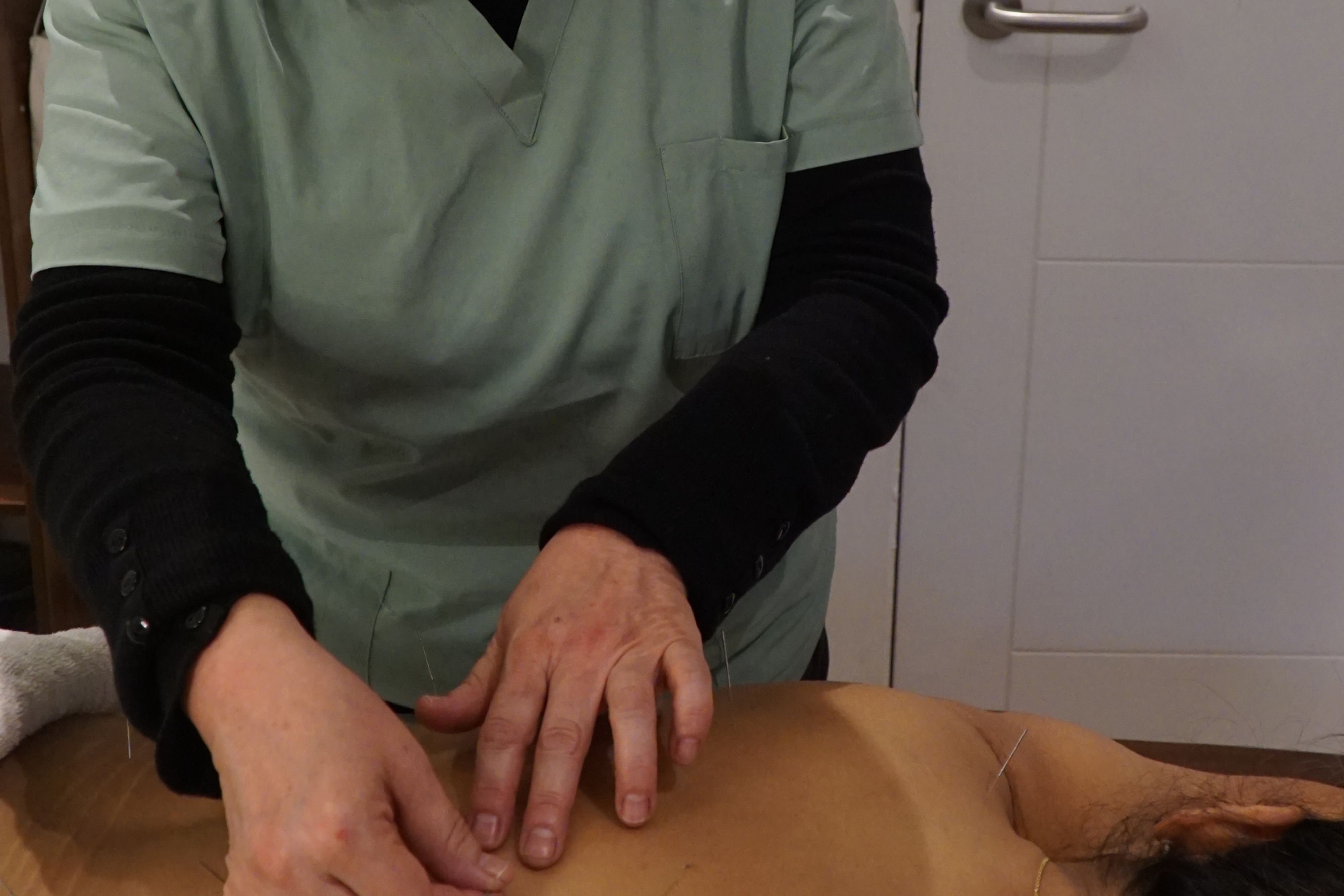
Step by step
Your Acupuncture visit, step by step
- Consultation. Your practitioner takes a full history, asks about your symptoms and goals, and may check your pulse and tongue in the TCM tradition.
- Point selection. A treatment plan is agreed and the acupuncture points chosen for your presentation, not a fixed recipe.
- Needling and rest. Hair-fine sterile needles are placed and you rest for 20 to 30 minutes; cupping or Tui Na may be added where they serve the plan.
- Aftercare and plan. You leave with clear advice and an honest view of how many sessions your condition is likely to need.
A TCM clinic in London: Chinese acupuncture, cupping and Tui Na
Acupuncture at Omnia sits within a full Traditional Chinese Medicine service. Alongside acupuncture, our doctors offer a 30-minute TCM consultation, Tui Na massage, cupping therapy and Chinese herbal medicine, so one team plans and delivers your care rather than several separate practitioners. If you are new to Chinese medicine, the TCM consultation is a good place to start before committing to a course.
Private acupuncturists in Chiswick W4
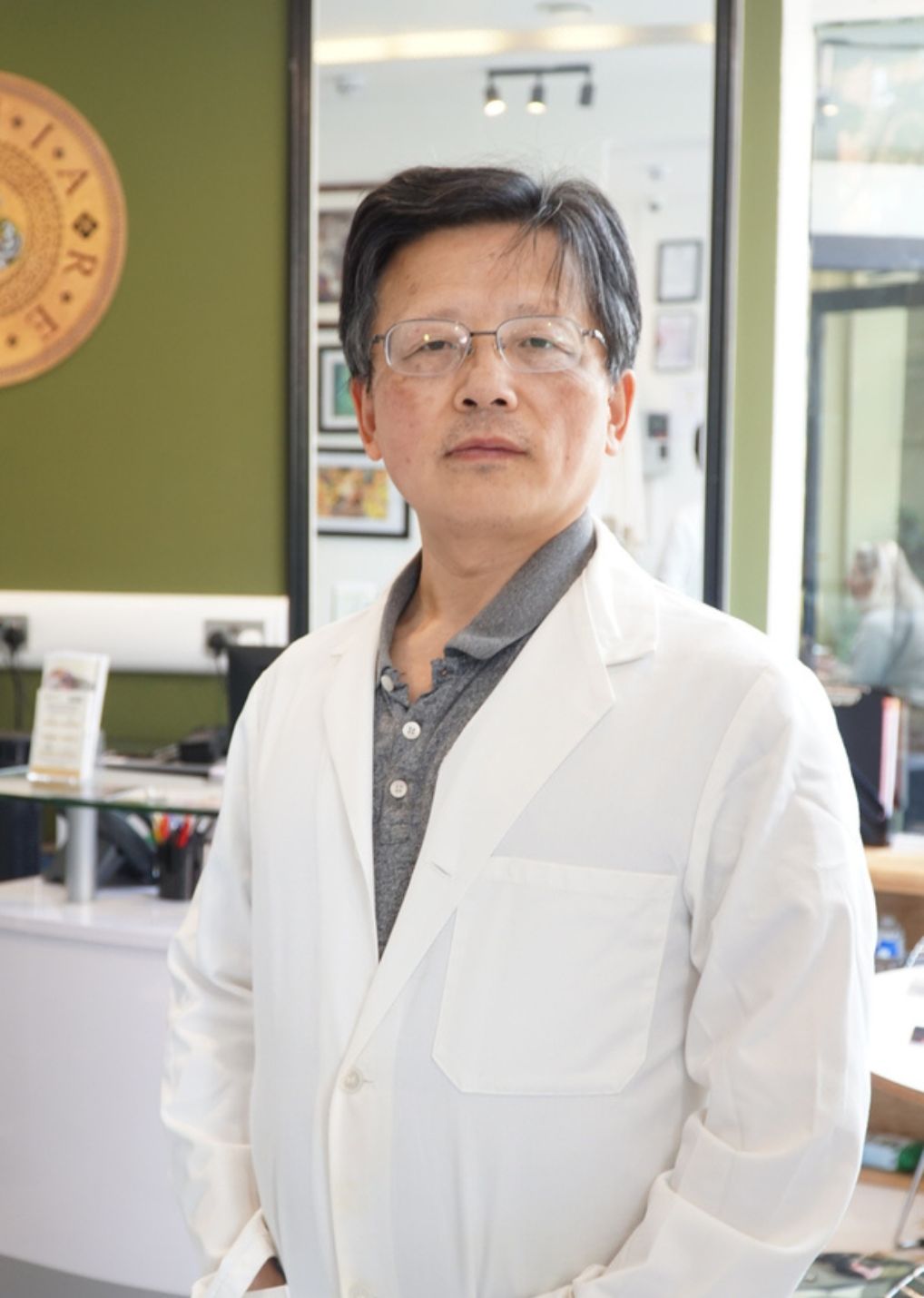
Your treatment is with one of our TCM doctors: Dr Jialin Zhu, a member of the British Acupuncture Council (BAcC), or Dr Youzhong Wu or Dr Shu Fen Zhang, both members of the Association of Traditional Chinese Medicine (ATCM). Whichever acupuncturist you see, you can expect a proper TCM diagnosis and a clear plan built around your goals.
Choosing an acupuncture clinic in London
When you compare acupuncture clinics in London, look for an acupuncturist who belongs to a professional body, a full consultation before any needles, single-use sterile needles, and an honest view of how many sessions your problem is likely to need. At Omnia, all of these are standard: our acupuncturists are members of the British Acupuncture Council or the Association of Traditional Chinese Medicine, every plan starts with a full consultation, and progress is reviewed as you go.
Acupuncture prices in Chiswick
A 30-minute TCM consultation is £50 and a 60-minute traditional acupuncture session is £80. Fertility acupuncture is £90 for 60 minutes, and acupuncture with Tui Na massage is £135 for 90 minutes. We provide itemised receipts for Aviva, AXA Health, Vitality, WPA and Simplyhealth, so you can claim if your policy covers acupuncture. For a wider comparison, see how much acupuncture costs in the UK.
Acupuncture in Chiswick, Turnham Green and W4
Patients come to us from Chiswick, Bedford Park, Turnham Green, Gunnersbury and Stamford Brook, and from across West London and the rest of London. Same-week appointments are usually available, you can choose your doctor when you book, and you pay after your session with no deposit. Book online, call 020 4515 0000 or send us a WhatsApp.
Acupuncture near you in West London
Travelling in? See routes and journey times for acupuncture in West London, and for patients coming from Hammersmith, Ealing, Richmond and Kew, Twickenham, Fulham and Putney.
Prefer to be treated at home? Home visit acupuncture is available across West London from £110, using single-use sterile needles.
Curious where the needles go? Our guide to acupuncture points explains the most commonly used points and what each is traditionally chosen for.
Getting to our Chiswick clinic
Omnia Lifestyle is at 8 to 9 Bedford Corner, The Avenue, Chiswick W4 1LZ, close to Turnham Green station, on bus routes 94, E3 and 272. Limited parking is available on request when booking. Turnham Green is on the District line, two minutes on foot from our door.
Who you will see
Meet your specialists
Fees
Session fees
- TCM consultation, 30 min: £50
- Traditional acupuncture, 60 min: £80
- Fertility acupuncture, 60 min: £90
- Acupuncture and Tui Na, 90 min: £135
- Tui Na massage, 30 min: £65
- Tui Na massage, 60 min: £85
- Cupping therapy, 30 min: £60
- Chinese herbal medicine, 7-day prescription: £50
Call 020 4515 0000 for courses, packages and anything not listed here.
Safety and suitability
Acupuncture is very safe when delivered by trained practitioners using single-use sterile needles, as at our clinic. Tell your practitioner if you are pregnant, take blood thinners or have a pacemaker, and your treatment is adapted accordingly.
Reviews
Trusted by hundreds in West London
Omnia gift cards
Give an hour of care to someone you love
An Omnia Lifestyle gift card can be spent on this treatment or on any therapy, lifestyle or screening session at our Chiswick clinic. It arrives by email in about two minutes and stays valid for twelve months.
Who is it for?
01ChoosePick the amount and add their details at checkout.
02SendThe card is emailed, ready to forward or print.
03They bookAny session, whenever they are ready.
For a printed card or a different amount, call the clinic. Gift card terms
AcupuncturePhysiotherapyRed light therapyManual lymphatic drainageLPG EndermologieAyurvedaCompression therapySports massageYogaTai chi and qi gongInBody BWAStyku 3D scanBlood testingVeda Pulse
Questions
Before you book
Does acupuncture hurt?
Is acupuncture safe?
What are the side effects of acupuncture?
Does acupuncture actually work?
What is acupuncture good for?
How long does acupuncture take to work?
Can I combine acupuncture with other treatments?
What should I do before and after a session?
Can acupuncture help sciatica?
Can acupuncture help nerve pain?
Can acupuncture help anxiety and stress?
Can you have acupuncture when pregnant?
Does acupuncture help fertility?
Does acupuncture help with weight loss?
Cupping vs acupuncture: what is the difference?
Chiswick, West London
8 to 9 Bedford Corner, The Avenue, Chiswick W4 1LZ
Two minutes from Turnham Green station on the District line.
Acupuncture near me: Omnia Lifestyle is a short walk from Turnham Green station and serves Chiswick, Hammersmith, Ealing, Acton, Brentford, Kew, Richmond and the wider West London area, with home visits available.


