



.png)
.png)
1
Tai Chi & Q Qong At Omnia Lifestyle
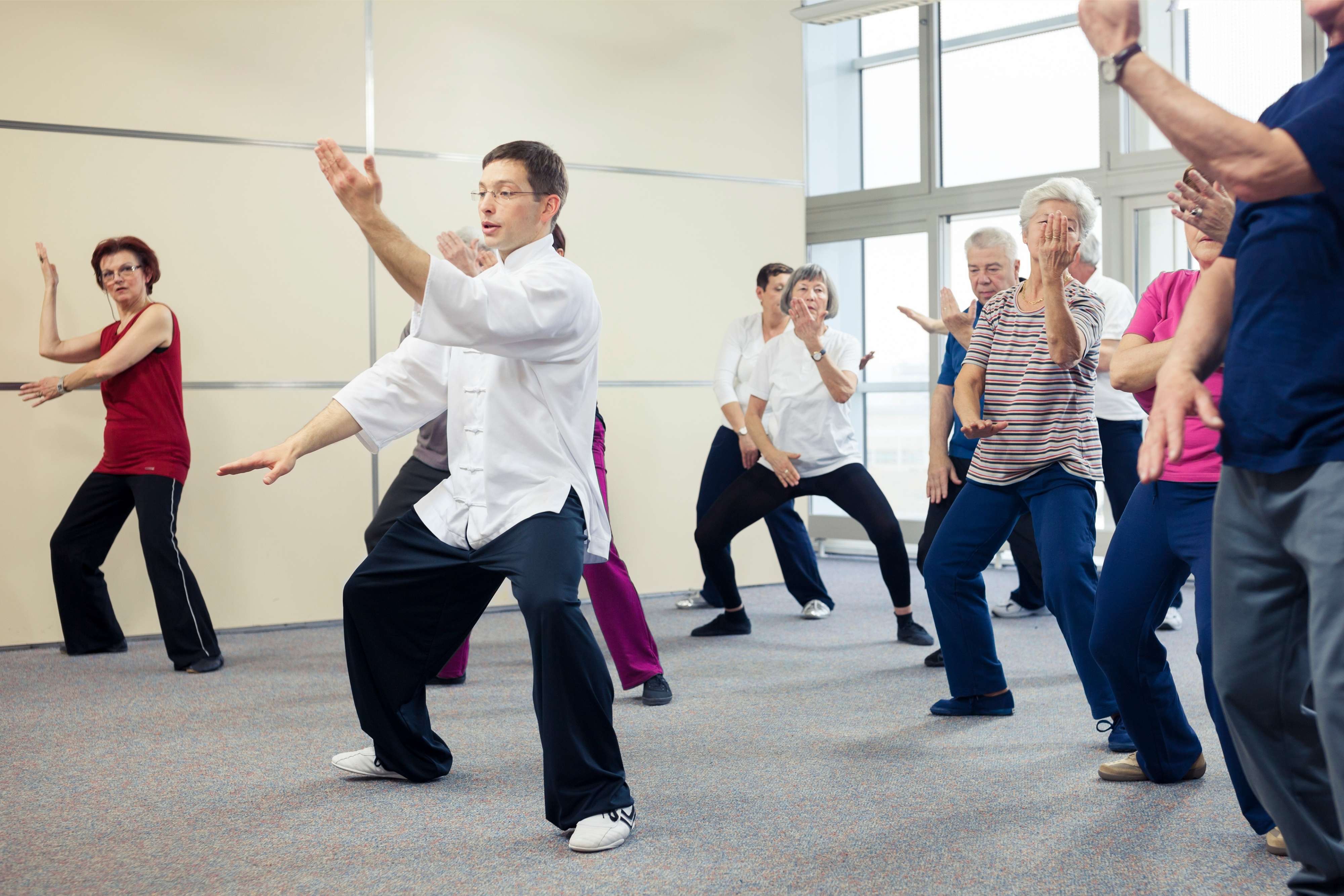
Tai Chi and Qi Gong are traditional practices rooted in Chinese medicine that focus on cultivating energy (Qi) and restoring balance within the body. At our clinic in Chiswick, West London, these therapies are used to support both physical and mental wellbeing.
Through slow, controlled movements and breathing techniques, these practices help reduce stress, improve circulation and enhance coordination. They are suitable for all ages and fitness levels.
For those seeking holistic movement therapy in Chiswick, Tai Chi and Qi Gong provide a calming and restorative approach to health.

2
Benefits Of Tai Chi & Qi Qong
3
How It Works
These practices combine gentle movements with controlled breathing and mindfulness. The focus is on slow, intentional motion that promotes balance and internal harmony.
Over time, this helps improve both physical stability and mental calmness.
.jpg)
4
Who Is It For

- Individuals seeking low-impact exercise
- Clients experiencing stress or anxiety
- Those looking to improve balance
- Older adults maintaining mobility
- Anyone interested in holistic wellness
5
What To Expect
Sessions are calm and guided, focusing on slow movements and breathing. You will be supported throughout, making it accessible regardless of experience level.

6
Why Choose Omnia
At Omnia Lifestyle, we believe in a three pronged approach to health. Our multidisciplinary team ensures you receive the right treatment, tailored to your needs.
.jpg)
5000+ patients supported through pesonalised, results driven care
150+ years of combined experience across our multi disciplinary team
Educational leadership with internationally recognised specialists
Trusted in Chiswick, West London & beyond for high quality, personalised care
Registered with leading UK professional bodies ensuring highest standards

Meet Your Specialists



FAQs
What is the difference between tai chi and qi gong?
Why practise Tai Chi at Omnia?
Is tai chi good for older adults?
What should I wear for a session?
How often should you practise tai chi or qi gong?
Can tai chi help with balance and falls?
Is tai chi suitable for beginners?
Category
Treatments


You are in good hands
Gallery
Tai Chi & Qi Qong
No items found.
Other Services We Offer
Meaningful healing is rarely one-dimensional. Explore our range of personalised therapies designed to support recovery, performance, movement, and long-term wellbeing.